Many people assume that fault in an accident is always clear. However, accidents often involve mistakes by more than one person. Because of this reality, Nevada uses a legal rule known as comparative negligence.
Understanding this rule can help Reno residents better understand their rights after an accident.
What Is Comparative Negligence?
Comparative negligence allows multiple parties to share responsibility for an accident.
Instead of assigning all fault to one person, investigators may determine that several people contributed to the event.
For example, one driver may have been speeding while another failed to yield.
As a result, fault may be divided between both parties.
How Nevada Applies Comparative Negligence
Nevada follows a modified comparative negligence system.
Under this rule, an injured person may recover compensation if they are less than 51 percent responsible for the accident.
However, their compensation decreases according to their percentage of fault.
This calculation can significantly impact a claim.
A Simple Example
Imagine that a driver suffers $100,000 in damages.
Investigators later determine that the driver was 20 percent responsible for the accident.
Because of that finding, compensation would decrease by 20 percent.
As a result, the recoverable amount would become $80,000.
Therefore, even a small fault percentage can affect financial recovery.
Why Insurance Companies Focus On Fault
Insurance companies carefully investigate fault because it directly affects payouts.
Consequently, adjusters often review:
- Police reports
- Witness statements
- Video footage
- Vehicle damage
- Medical records
Because compensation depends on fault percentages, these investigations can become extremely important.
Evidence Matters
Strong evidence often plays a major role when fault becomes disputed.
Therefore, accident victims should gather evidence whenever possible.
Helpful evidence may include:
- Scene photographs
- Dashcam footage
- Witness information
- Medical evaluations
- Police reports
Additionally, preserving evidence early can prevent important details from disappearing.

Comparative Negligence Beyond Car Accidents
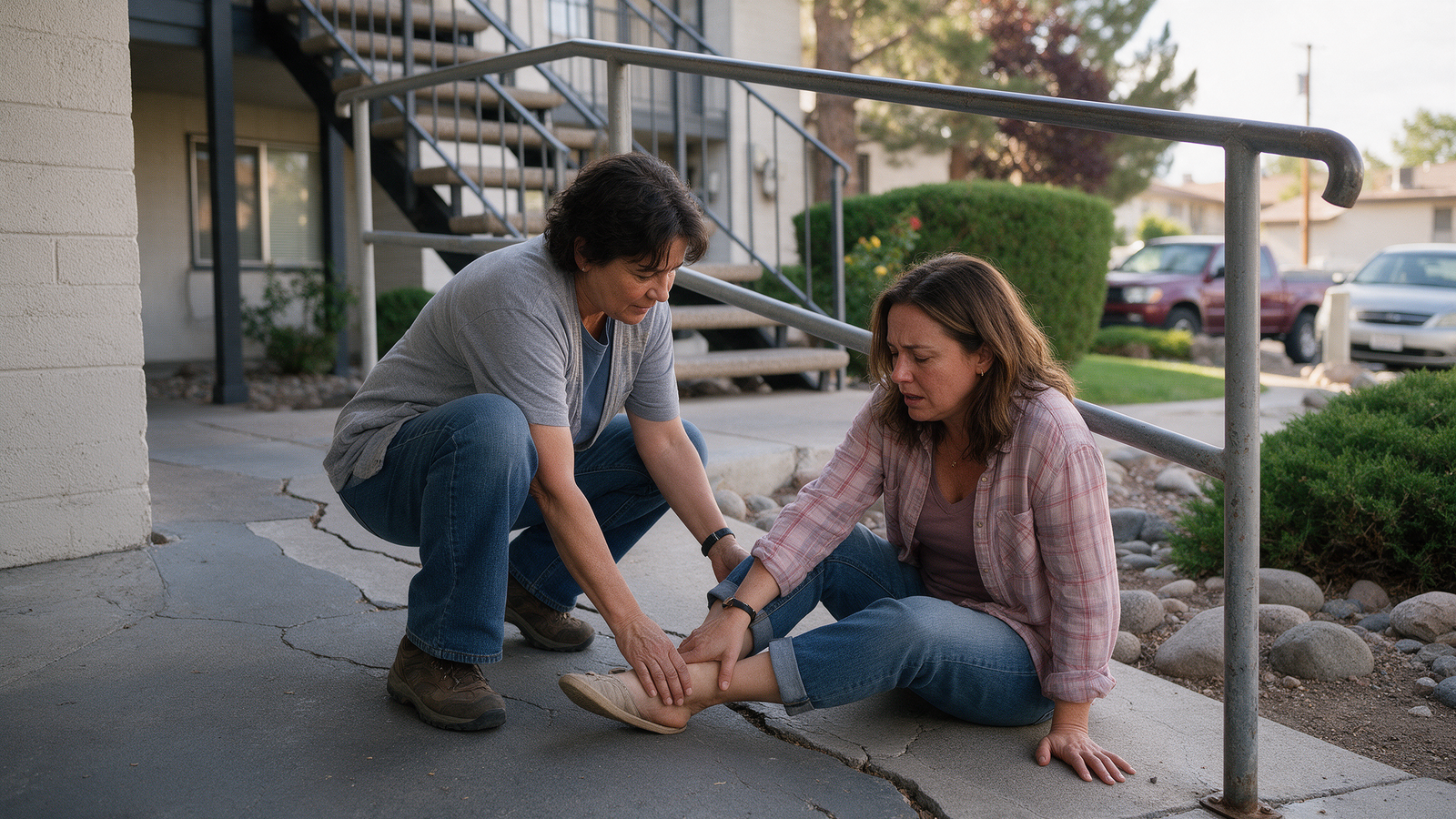
Although many people associate comparative negligence with vehicle accidents, the rule applies in many situations.
For example, it may affect:
- Slip and fall accidents
- Premises liability claims
- Bicycle accidents
- Pedestrian accidents
- Property damage disputes
Because negligence appears in many contexts, the rule has broad legal importance.
Common Fault Disputes
Fault disputes frequently involve questions such as:
- Who had the right of way?
- Was someone distracted?
- Did weather contribute?
- Were safety rules ignored?
- Did both parties make mistakes?
As these questions arise, fault percentages may change.
Therefore, small details often matter.
Understanding The 51 Percent Rule
One of the most important aspects of Nevada law involves the 51 percent threshold.
If a person is 50 percent responsible, they may still recover compensation.
However, if a person becomes 51 percent responsible, recovery is generally barred.
Therefore, fault allocation can determine the outcome of an entire claim.
Why Fault Percentages Matter
Nevada’s comparative negligence law recognizes that accidents often involve shared responsibility.
Because fault percentages directly affect compensation, understanding this rule can help accident victims make informed decisions. Additionally, strong evidence and careful documentation may play an important role when fault becomes disputed.
At Justice Law Center, we have over 30 years experience in protecting whats most important to you. Contact us today for your FREE consultation!